




Introduction
In today’s highly competitive marketplace, effective product branding is crucial for business success. A strong brand not only distinguishes your product from competitors but also leaves a lasting impression on consumers’ minds, fostering loyalty and driving growth.
Product branding goes beyond just marketing—it shapes the very identity of a business. Iconic brands are remembered for decades, standing tall amidst evolving industries. But what does it take to build a brand that remains relevant over time?
This article explores proven product branding strategies to help businesses create create timeless brands that truly resonate with their target audience and stand out in crowded markets.
| Strategy | Description | Example |
| Define a Clear Brand Purpose | Establish a mission, vision, and core values that steer all branding decisions. | Patagonia’s environmental commitment |
| Know Your Target Audience | Conduct thorough research to understand demographics, preferences, and needs. | Glossier’s millennial focus |
| Craft a Memorable Brand Identity | Create distinctive logos, color schemes, and packaging that reflect brand values. | Coca-Cola’s iconic red and white palette |
| Tell a Compelling Brand Story | Share the emotional journey behind your product to connect with consumers. | TOMS Shoes’ “One for One” mission |
| Develop a Strong Brand Voice | Maintain a consistent tone and communication style across all channels. | Oatly’s witty and approachable messaging |
| Deliver a Consistent Customer Experience | Align every interaction with your brand’s values and promise. | Apple’s seamless user experience |
| Focus on Emotional Branding | Build deep emotional connections through shared values and aspirations. | Nike’s empowering “Just Do It” ethos |
| Differentiate from Competitors | Highlight unique features and benefits that set your product apart. | Lush’s handmade cosmetics |
| Invest in Quality Packaging | Use packaging to reinforce brand personality and product appeal. | Glossier’s signature pink pouches |
| Evolve Without Losing Identity | Adapt to market trends while staying true to your core brand values. | Coca-Cola’s brand evolution over decades |
What is Product Branding?
Before exploring strategies, it’s important to define product branding clearly.
Product branding is the deliberate process of creating a unique identity for a product through design, messaging, customer experience, and emotional resonance. It differentiates your product from competitors and builds customer loyalty.
At its core, effective branding answers the question:
“Why should a customer choose your product over others?”
Key components of product branding include:
- Logo and Visual Identity
- Packaging Design
- Product Name and Tagline
- Brand Voice and Messaging
- Customer Experience
These elements combine to communicate your product’s unique value proposition clearly and memorably.
Key Elements of Effective Branding
1. Brand Identity
Developing a robust brand identity means focusing on core visual and design elements that embody your brand, including:
- Logo: A simple, versatile, and memorable logo is vital for immediate recognition that reflects your brand’s essence.
- Color Palette: Colors evoke emotions and associations. Choose hues that align with your brand personality and appeal to your target market.
- Typography: Select fonts that complement your brand’s character and improve readability across platforms.
2. Brand Story
A compelling brand story emotionally connects with customers by communicating your mission, values, and the journey behind your product’s creation. Authentic storytelling nurtures loyalty and engagement.
3. Target Audience
Knowing your target audience inside out is essential. Conduct detailed market research to understand demographics, preferences, pain points, and behaviors. Tailoring your branding specifically to these insights enhances relevance and customer connection.
Building a Timeless Brand
A timeless brand successfully adapts to evolving market trends and consumer expectations while maintaining its fundamental values. Staying relevant means evolving your branding strategies based on current industry insights and customer feedback to make informed decisions.
Establishing an emotional connection is key. Brands that deliver experiences resonating deeply—through storytelling, meaningful customer interactions, or community engagement—build lasting loyalty. Moreover, authenticity strengthens trust; consumers favor brands that are transparent and genuine.
Consistently upholding your brand values and avoiding deceptive marketing strengthens your reputation and fosters a devoted customer base. Building a timeless brand also requires a long-term vision: setting strategic branding goals aligned with business objectives ensures ongoing consistency and brand strength.
Integrate Sustainability and Social Responsibility into Branding
Modern consumers increasingly prioritize brands that demonstrate environmental responsibility and social consciousness. Incorporating sustainable practices such as eco-friendly packaging, ethical sourcing, or charitable initiatives can strengthen your brand’s credibility and emotional appeal.
Companies like Patagonia and Seventh Generation have shown that aligning your brand with positive social and environmental impact not only differentiates your product but also fosters long-term loyalty among values-driven consumers.
Effective Product Branding Strategies
1. Define Your Unique Selling Proposition (USP)
Your USP distinctly communicates why your product is the better choice. Clearly articulate the unique benefits and features that make your product stand out from the competition.
2. Create a Consistent Brand Voice
A consistent brand voice across all platforms—including marketing, social media, and customer service—helps build a cohesive identity. Define your tone, language style, and messaging to resonate with your audience effectively.
3. Leverage Social Media
Use social media platforms like Instagram, Facebook, Twitter, LinkedIn, and TikTok to engage your customers, share authentic content, and showcase your brand’s personality. Regular interaction helps foster community and trust.
4. Build Brand Awareness Through Content Marketing
Create valuable, relevant content such as blog posts, videos, infographics, and guides that offer genuine insight or solutions to your audience. Effective content marketing positions your brand as an industry leader and drives organic traffic.
5. Invest in Visual Branding
Maintain cohesion across all visual elements—packaging, website, social media graphics, and promotional materials—to reinforce brand identity. Professional, high-quality visuals enhance credibility and make a stronger impression.
6. Foster Customer Engagement
Encourage two-way communication by inviting feedback, responding promptly, and creating platforms where customers can share experiences. Active engagement builds community and turns buyers into loyal advocates.
7. Utilize Influencer Marketing
Partner with influencers whose values align with your brand and who genuinely connect with your target audience. Their endorsements can significantly expand your reach and boost credibility.
8. Emphasize Customer Experience
Deliver exceptional service, quality products, and effortless interactions at every touchpoint. Positive experiences turn customers into brand ambassadors who help spread your message organically.
Real-World Examples of Iconic Product Branding
Apple:
Apple’s focus on sleek design, minimalist packaging, and inspiring marketing creates brand consistency that resonates globally. Their innovative, user-centric approach inspires deep brand loyalty.
Coca-Cola:
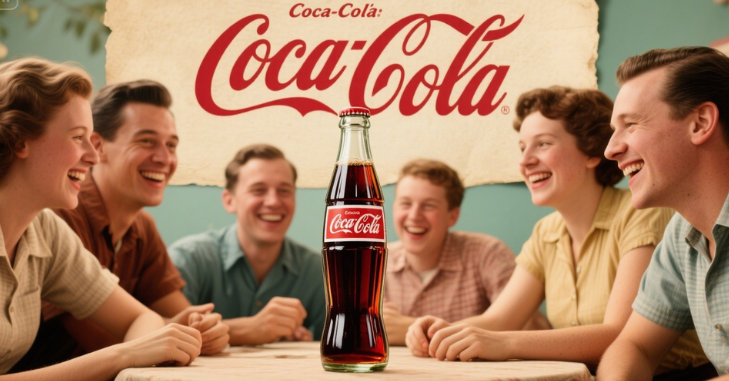
Over more than a century, Coca-Cola has maintained its core message of joy and togetherness. Their emotional branding keeps customers connected across generations.
Dove:
By championing real beauty and body positivity, Dove transformed beauty marketing to emotionally connect with consumers, fostering powerful and meaningful brand loyalty.
Common Product Branding Mistakes to Avoid
Even established brands can falter. Avoid these common pitfalls to protect your brand’s reputation and growth:
- Inconsistent visuals and messaging that confuse consumers
- Ignoring customer feedback and market shifts
- Overcomplicating your brand identity to the point of losing clarity
- Neglecting emotional storytelling that builds connections
- Copying competitors instead of creating a distinctive brand personality
Steering clear of these mistakes ensures your brand remains credible, distinct, and long-lasting.
Conclusion
Creating a timeless brand that rises above competition requires a strategic, audience-focused approach. By defining your unique selling proposition, maintaining a consistent voice, and prioritizing meaningful customer engagement, your brand can forge deep connections and inspire loyalty.
In a marketplace brimming with options, purposeful product branding is essential for differentiation and sustained success. The strategies shared here provide a roadmap for businesses to build enduring brand identities that thrive amid change. Embrace the branding journey and watch your brand evolve into a powerful, recognisable market leader.
For more information about “Is a Checking Account Necessary?,” please visit our “Small Buisness” Category.
FAQs
A clear brand purpose defines what your product stands for and builds customer trust. It serves as the foundation for consistent marketing and branding strategies, guiding decision-making over time.
Conduct comprehensive research into demographics, interests, challenges, and buying behaviors. Creating detailed buyer personas helps tailor branding messages that directly address your audience’s unique needs.
A strong brand identity includes a memorable logo, cohesive color palette, complementary typography, and consistent visual elements that combine to present a unified brand image.
Storytelling adds emotional depth to your brand, helping customers connect by sharing the brand’s mission, origins, or values. This emotional bond builds loyalty and distinguishes your product.
Yes. Collaborating with trusted influencers who align with your brand can increase visibility, credibility, and trust among your target audience, amplifying your branding efforts effectively.
Exceptional customer experiences reinforce your brand’s promise and values. Satisfied customers are more likely to become repeat buyers and brand advocates, driving positive word-of-mouth and brand growth.
