





Introduction
Thinking about starting a laundromat business? Great choice! Laundromats are recession-resistant businesses people depend on regardless of economic conditions. Whether serving students, busy professionals, or large families, laundromats provide an essential service: clean clothes for those who lack the time or space to do laundry at home. But how do you get started? This comprehensive guide will walk you through everything you need to know to successfully start and operate a profitable laundromat business.
| Step | Description |
|---|---|
| Step 1: Market Research | Conduct detailed market research to evaluate laundry service demand, competitor landscape, and customer demographics in your target area. |
| Step 2: Business Plan | Develop a thorough business plan outlining your vision, goals, target audience, service offerings, and financial forecasts. |
| Step 3: Secure Funding | Calculate startup expenses and obtain funding via personal savings, bank loans, investors, or partnerships. |
| Step 4: Choose a Location | Identify a high-visibility, accessible location near your target market with sufficient space for equipment and customers. |
| Step 5: Licenses and Permits | Acquire all necessary licenses, permits, and comply with local regulations to operate legally. |
| Step 6: Equipment | Invest in reliable, commercial-grade washers, dryers, folding tables, and vending machines. |
| Step 7: Utilities | Ensure essential utilities—water, electricity, gas, and proper drainage—are installed and functioning efficiently. |
| Step 8: Amenities | Include customer conveniences such as seating areas, detergent vending machines, free Wi-Fi, and folding spaces. |
| Step 9: Marketing | Implement marketing strategies including digital campaigns, local advertising, and community partnerships to attract customers. |
| Step 10: Staffing | Decide on staffing needs and hire skilled employees to manage daily operations, maintenance, and customer service. |
What is a Laundromat?
A laundromat, also known as a coin laundry, is a self-service facility where customers pay to use washing machines and dryers. Unlike traditional models, today’s modern laundromats often provide additional conveniences such as wash-and-fold services, dry cleaning drop-off, and complimentary Wi-Fi. Laundromats typically operate as cash businesses with low labor costs. Many stay open 24/7, enabling continuous revenue generation. Moreover, running a laundromat doesn’t require specialized technical skills, making it an excellent opportunity for first-time business owners.
How to Start a Laundromat Business?
Starting right means doing your homework. Market research is essential to understand local laundry demand, existing competitors, and profitable service angles. Location is critical—ideal spots are close to residential complexes, universities, or busy neighborhoods with high foot traffic and demand for laundry services. Conduct competition analysis to spot market gaps—perhaps there’s demand for late-night operations or modern payment options. Leveraging these insights will help you carve a competitive advantage.
Business Plan Development
Your business plan serves as a roadmap to success. It should detail your business goals, target market, service lineup, marketing plan, financial projections, and operational strategies. This plan is invaluable for securing loans and attracting investors. Accurately estimate startup costs including equipment, rent, permits, and initial marketing. Be conservative with revenue forecasts to avoid cash flow issues. Tailor your pricing and services to your key audience—college students, professionals, or families—each require different approaches.
Securing Financing for Your Laundromat
Most entrepreneurs need external financing to launch their laundromat. Funding sources may include personal savings, traditional bank loans, SBA (Small Business Administration) loans, private investors, or crowdfunding. Explore local, state, and federal grants or incentives for small business owners and energy-efficient appliance upgrades. Present a solid business plan and clear financial breakdowns to lenders. Your startup budget should account for facility costs, commercial equipment, utilities setup, permits, marketing, and contingency funds for unexpected expenses.
Key Steps to Launching Your Laundromat Business
One of the most crucial parts of starting a successful laundromat is understanding the core steps involved in launching and operating the business. A typical laundromat startup begins with thorough market research to assess local demand and customer demographics, followed by crafting a detailed business plan that outlines your vision, services, pricing strategy, and financial forecasts.
Once research and planning are complete, securing adequate funding and selecting a high-traffic, accessible location become top priorities, as both significantly influence profitability. After that, you’ll need to obtain necessary licenses and permits, invest in commercial-grade washers and dryers, and set up utilities, amenities, and marketing strategies to attract and retain customers.
By focusing on these foundational steps, aspiring owners can build a laundromat that’s not only functional but poised for long-term success in a stable industry.
Legal Requirements and Permits
Compliance with municipal zoning laws, health and safety standards, building codes, and environmental regulations is mandatory. Obtain the necessary business licenses and operation permits as required by your city and state. Decide on your business structure—sole proprietorship, partnership, LLC, or corporation—as this impacts taxation, liability, and management. Consult a business attorney or accountant to ensure you select the best structure and maintain adherence to all legal requisites.
Designing and Equipping Your Laundromat
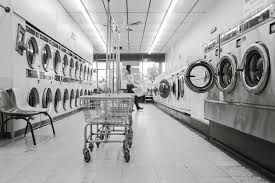
Design your laundromat layout for smooth customer flow—from washers to dryers and folding areas. Provide ample seating and comfortable lighting to enhance the experience. Invest in durable, energy-efficient commercial washers and dryers with advanced features like mobile payment options and smart meter systems. Utilizing energy-efficient machines can lower operational costs and may qualify for state or federal rebates. Ensure that vending machines and amenities complement your service offerings to increase convenience and customer satisfaction.
Setting Up Operations
While many laundromats are self-service, hiring staff for maintenance, customer support, and cleaning can improve service quality and uptime. Decide on your staffing model early. Establish clear operational procedures including opening/closing checklists, machine maintenance schedules, cash handling protocols, and customer service policies. Set competitive but profitable pricing based on local rates and your costs. Regularly monitor operations to maintain efficiency and high customer satisfaction.
Marketing and Promoting Your Laundromat
Build awareness through a multi-channel marketing approach. Set up a website and maintain active social media accounts (Facebook, Instagram) to engage your audience with promotions, contests, and updates. Use targeted online advertising and local SEO to attract nearby customers. Offline, distribute flyers, use local bulletin boards, and partner with nearby businesses or apartment complexes. Implement loyalty programs or referral incentives to reward repeat customers and encourage word-of-mouth marketing.
Customer Experience and Service
Exceptional customer service is crucial for retention. Train your staff to be friendly, approachable, and responsive to customer needs. Maintain a clean, safe, and welcoming environment—sanitize machines and common areas regularly. Provide security measures like surveillance cameras and adequate lighting for customer safety. Offer extra conveniences such as free Wi-Fi, a kids’ play area, or vending options to enhance the customer experience. A memorable experience will translate into loyal, repeat customers.
Managing Day-to-Day Operations
Careful daily financial management is vital. Track cash flow, expenses, and income meticulously to ensure your laundromat remains profitable. Use inventory management to keep detergent supplies and machine parts well-stocked. Prepare for equipment malfunctions with a quick-response maintenance plan, minimizing downtime and customer inconvenience. Keep open communication channels for customer feedback to promptly address any issues.
Expanding and Scaling Your Business
After establishing a successful laundromat, consider growth opportunities such as opening additional locations or expanding service offerings—wash-and-fold, dry cleaning, or even a café. Diversification appeals to broader customer segments and increases revenue streams. Franchising your laundromat brand is another scalable option but requires a mature business model and systems for consistent quality. Strategic scaling can dramatically boost your market presence and profitability.
Challenges and Risks
Running a laundromat comes with challenges such as equipment breakdowns, fluctuating utility costs, seasonal demand shifts, and competition from larger chains and other convenience services. Mitigate financial risks by closely monitoring expenses and revenues, maintaining emergency funds, and avoiding excessive debt. Staying adaptable to technological advances and evolving customer preferences can help your business stay competitive and resilient.
Success Stories and Case Studies
Learn from successful laundromats locally and nationally. Analyze their service models, marketing strategies, and customer engagement techniques. Consider interviews, podcasts, or business books authored by industry leaders to avoid common pitfalls and innovate your approach. Incorporate proven tactics while tailoring solutions to your unique market.
Conclusion
Launching a laundromat business requires careful planning, commitment, and continuous learning. From conducting thorough market research to implementing effective daily operations, each step is pivotal to your success. Stay adaptable, prioritize customer satisfaction, and keep innovating to build a sustainable and profitable laundromat business.
If you want to explore more about Choosing Commercial Roofing Contractors, visit our TECH category for additional resources and insights.
FAQs
The initial startup costs typically range from $200,000 to $500,000, depending on factors such as location, size, equipment quality, and services offered.
Wash-and-fold services and vending machines selling detergents and snacks usually generate additional revenue beyond self-service laundry.
Select locations near high-density residential areas, apartment complexes, universities, or busy urban neighborhoods that have strong demand for laundry services.
Typical challenges include ongoing equipment maintenance, managing utility costs, and sustaining a loyal customer base amid competition.
Focus on exceptional customer service, maintain spotless and secure facilities, and offer added conveniences like free Wi-Fi, loyalty programs, or extended hours.
