




Introduction
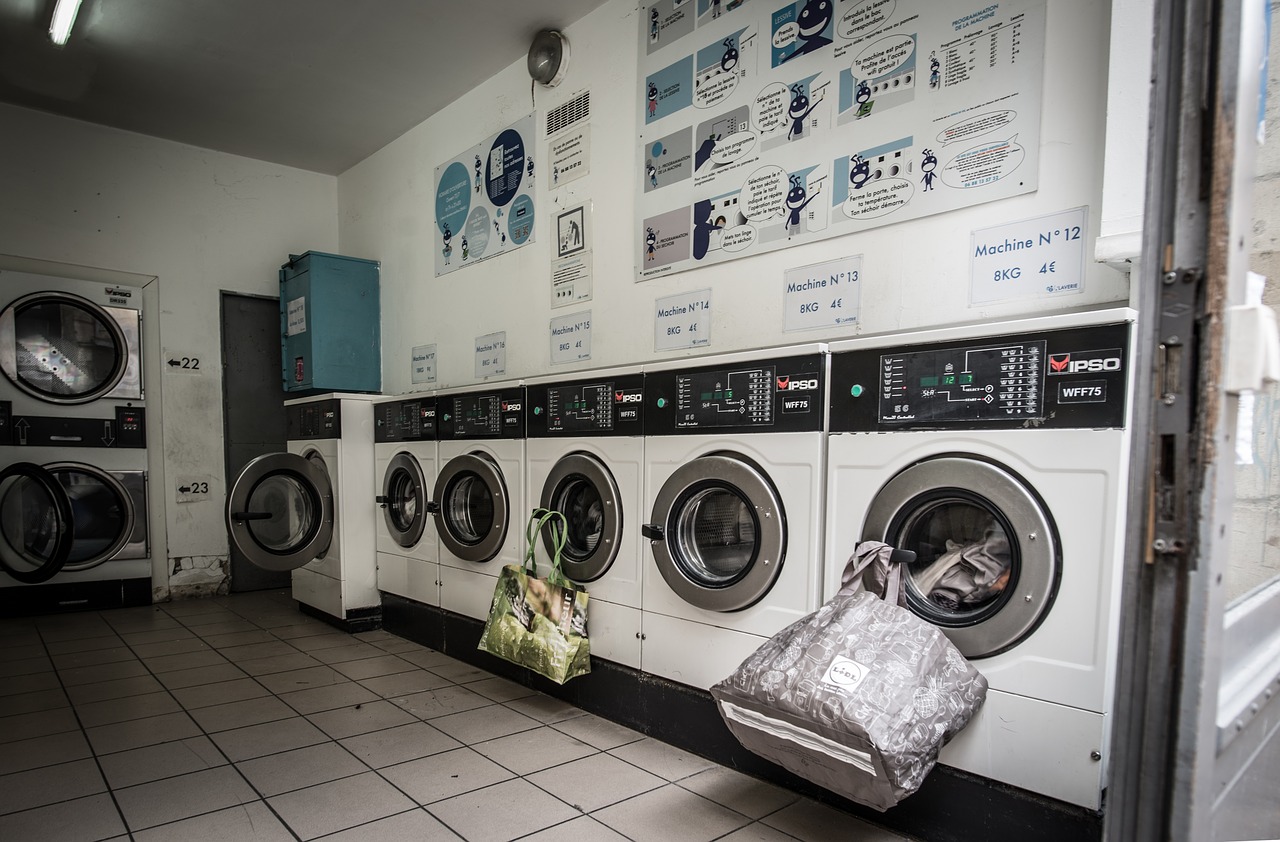
Have you considered opening a laundromat? While it might seem like a traditional business, laundromats remain highly profitable and resilient over time. After all, who doesn’t need clean clothes? Owning a laundromat offers many benefits—it’s a primarily cash-based business, often low-maintenance, and provides a consistent income stream. Moreover, delivering a simple yet essential service to your community can be uniquely fulfilling. Let’s explore how to open a laundromat with this comprehensive step-by-step guide.
| Step | Description |
|---|---|
| Step 1: Market Research | Conduct in-depth market research to assess local demand for laundry services, analyze competition, and identify your target customer base. |
| Step 2: Business Plan | Develop a detailed business plan outlining your vision, goals, target markets, offered services, and financial projections. |
| Step 3: Secure Funding | Calculate startup costs and obtain financing through savings, bank loans, partnerships, or investors. |
| Step 4: Choose a Location | Select a location with high visibility, easy accessibility, proximity to target customers, and sufficient space for equipment and amenities. |
| Step 5: Licenses and Permits | Apply for the necessary business licenses, health permits, and other required permits based on local regulations. |
| Step 6: Equipment | Purchase high-quality commercial washers, dryers, folding tables, and vending machines, preferably energy-efficient models. |
| Step 7: Utilities | Arrange connections for essential utilities such as water, electricity, gas, and waste drainage. |
| Step 8: Amenities | Install customer conveniences like comfortable seating, folding areas, detergent vending machines, and free Wi-Fi. |
| Step 9: Marketing | Create a marketing strategy leveraging online platforms, local advertising, and community partnerships to attract customers. |
| Step 10: Staffing | Hire and train reliable staff for daily operations, equipment maintenance, and customer service. |
How to Open a Laundromat?
Research and Planning
Start by conducting thorough market research. Analyze the demand for laundry services in your area and identify existing competitors. Determine your target audience—are you near apartment complexes, college campuses, or busy commercial districts? Tailoring your business to local needs will improve your chances of success and customer satisfaction.
Location
Choosing the right location is critical. Seek out high-traffic areas with good visibility and easy access, including ample parking. Proximity to residential neighborhoods without in-unit laundry facilities will attract more customers. Carefully review lease agreements and ensure the location fits your long-term business goals.
Creating a Business Plan
A comprehensive business plan serves as your roadmap. Include your mission statement, market analysis, marketing strategies, startup and operational costs, revenue projections, and staffing plans. This plan is vital for securing financing and guiding your business decisions effectively.
Securing Financing
Determine how you will fund your laundromat. Options include personal savings, loans from banks or credit unions, private investors, or business partnerships. Prepare detailed financial documents such as your business plan, credit history, and cash flow projections to present to lenders or investors. Consulting with a financial advisor can optimize your funding strategy.
Legal Considerations
Obtain all required licenses and permits before opening. Common requirements include business licenses, health department permits, and safety inspections. Regulations vary by location, so it’s wise to consult with a local attorney or business advisor to ensure full compliance and avoid costly legal issues.
Designing Your Laundromat
Design an inviting and functional space. Prioritize a spacious layout that allows customers to move easily between machines and folding areas. Invest in comfortable seating, bright lighting, and a clean environment. Adding conveniences like free Wi-Fi can encourage customers to stay longer, enhancing their experience and loyalty.
Purchasing Equipment
Invest in commercial-grade washers and dryers that accommodate a variety of load sizes. Prioritize energy- and water-efficient models to reduce utility costs and environmental impact. Since equipment is a major expense, plan your budget carefully and maintain the machines regularly to prolong their lifespan and ensure reliability for customers.
Setting Up Your Operations
Establish clear operational protocols for cash handling, machine maintenance, and customer service. Hire trustworthy and friendly staff who can manage daily tasks, troubleshoot issues, and assist customers. Proper training ensures smooth operations even in your absence.
Marketing Your Laundromat
Promote your laundromat through social media, local flyers, community bulletin boards, and partnerships with nearby businesses or residential complexes. Consider introductory discounts, loyalty programs, and referral incentives to attract and retain customers. Consistent marketing helps build your brand and customer base.
Offering Additional Services
Diversify your offerings to stand out. Services like wash-and-fold, dry cleaning drop-off, and vending machines stocked with detergents and fabric softeners can boost revenue. Loyalty programs and convenient pickup/delivery options cater to customer needs and encourage repeat business.
Essential Steps for Launching a Successful Laundromat
Starting a laundromat can be a rewarding venture, but it requires thorough planning and execution. Key to a successful launch is conducting detailed market research to understand local demand and competition. Selecting the right location is equally critical; it should be easily accessible and situated near residential areas or commercial districts to attract high foot traffic.
Once the location is secured, developing a comprehensive business plan will provide a roadmap for success, outlining everything from startup costs to marketing strategies. Additionally, investing in high-quality, energy-efficient equipment can enhance operational efficiency and reduce long-term costs.
By focusing on customer service and convenience—such as offering amenities like free Wi-Fi and vending machines—you can create an inviting environment that encourages repeat business and builds customer loyalty.
Managing Finances
Maintain accurate financial records using accounting software to monitor income and expenses. Regularly review financial statements to spot issues early and adjust pricing or costs accordingly. Control utility expenses by using energy-efficient equipment and schedule routine maintenance to avoid costly repairs.
Customer Service Excellence
Outstanding customer service sets your laundromat apart. Train employees to be friendly, helpful, and responsive to customer needs. Effectively handle complaints to turn potentially negative experiences into positive ones. Satisfied customers are more likely to return and recommend your laundromat to others.
Technology and Innovation
Leverage technology to enhance convenience and streamline operations. Offer cashless payment options such as credit cards and mobile wallets. Consider implementing apps that show machine availability or enable reservations. Staying current with technology trends can improve customer satisfaction and give you a competitive advantage.
Conclusion
Opening a laundromat requires careful planning, financing, and commitment to customer service. By following these steps, you can build a successful business that meets ongoing community needs and provides a reliable income. Embrace innovation and continuously improve your services to keep your laundromat thriving.
For further information, feel free to explore our extensive resources at Choosing Commercial Roofing Contractors and visit the TECH category for more insights.
FAQs
Ongoing costs include utilities (water, electricity, gas), maintenance, staff wages, rent, insurance, and supplies such as detergents and vending machine stock.
Providing exceptional customer service, maintaining a clean and welcoming environment, offering additional services like wash-and-fold, and implementing loyalty programs are effective ways to attract and retain customers.
Yes, laundromats can be highly profitable due to the consistent demand. With proper location selection, effective management, and efficient operations, a laundromat can deliver strong returns on investment.
Yes, it is recommended to have commercial property insurance, liability insurance, and possibly workers’ compensation insurance depending on your staff size to protect your business from various risks.
With modern technology, such as remote monitoring systems and reliable staff, it is possible to manage day-to-day operations remotely, but regular on-site visits remain important.
