




In the competitive world of food manufacturing, your product’s quality is your brand’s promise. It’s what builds customer trust, secures repeat business, and sets you apart from the competition. A single quality slip can damage your reputation in an instant. The good news? Maintaining exceptional quality isn’t about luck; it’s about strategy.
In this article, we’ll explore five powerful strategies to keep your product quality consistently high. This way, you can establish a culture of excellence that protects your brand and delights your customers. Let’s dive in!
Implementing a Robust Quality Management System (QMS)
A Quality Management System (QMS) is the foundational blueprint for quality in your facility. It’s a system that gathers processes, essential procedures, and assigned responsibilities to establish objectives and policies. Think of it as the central nervous system of your quality control efforts. A strong QMS provides clear, written standards for every stage of production, from receiving raw materials to shipping finished goods.
A good QMS ensures every team member knows exactly what is expected and how to perform their tasks correctly and consistently. Regular internal audits and management reviews are key components, allowing you to identify areas for improvement and adapt to new challenges, ensuring your commitment to quality never wavers. Ultimately, this structured approach turns quality from a daily task into a core business value that protects your brand. Also worth reading: Sell a Business in the U.S..
Prioritizing Raw Material and Supplier Vetting
The quality of your final product can only be as good as the ingredients you start with. This makes your supply chain the first critical checkpoint for quality control. Establishing a rigorous supplier vetting and approval program is non-negotiable.
This involves more than just finding the best price; it means verifying your suppliers’ food safety certifications, understanding their own quality control processes, and establishing clear specifications for every ingredient you purchase. Building strong, transparent relationships with reliable suppliers ensures you receive consistently high-quality materials. Implement a system for inspecting and testing incoming raw materials to catch any potential issues before they ever enter your production line.
Investing in Comprehensive Employee Training
Your employees are your most asset and your first line of defense in maintaining product quality. A well-trained team is empowered to take ownership of quality at every step. Comprehensive training should go beyond basic job functions to include in-depth education on food safety principles, proper hygiene practices (GMPs), and the specific standard operating procedures (SOPs) for their roles.
When employees understand the “why” behind the rules, they are more likely to follow them diligently. Regular refresher courses and hands-on workshops keep quality top-of-mind and ensure your team is up to date on the latest standards and protocols, creating a proactive quality culture from the ground up. This transforms your staff from simple workers into dedicated guardians of your brand’s reputation.
Ensuring Packaging Accuracy with Bag Filling Machines
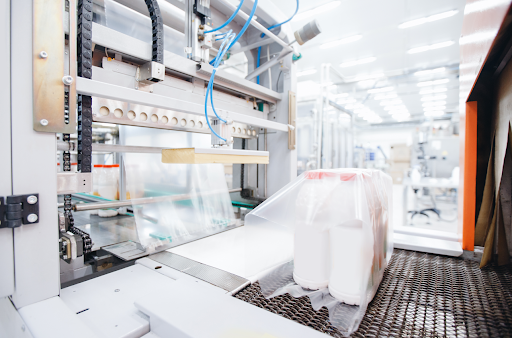
In food manufacturing, the final packaging stage is your last chance to guarantee product integrity and consistency before it reaches the customer. Manual or semi-automated filling processes are often prone to human error, resulting in inconsistent package weights and slower production speeds. This is where modern automation provides a powerful solution.
Investing in dedicated packaging technology is a direct investment in your product’s quality and your bottom line. Automated bulk bag filling machines, such as those from Choice Bagging Equipment, Ltd, are engineered for packing precision and reliability. These machines use advanced mechanisms like augers, vibratory feeders, and net weigh scales to dispense the exact amount of product into every single bag, time after time. This level of accuracy virtually eliminates overweight “giveaway” and protects you from the legal and reputational risks of under-filled packages. Furthermore, by automating this critical process, you increase throughput, optimize labor, and reduce the potential for contamination.
Establishing a Proactive Environmental Monitoring Program
The environment within your production facility plays a massive role in the safety and quality of your product. Invisible threats like bacteria, yeast, and mold can lead to contamination, spoilage, and recalls. A proactive environmental monitoring program is your tool for detecting these threats before they become a problem. This involves regularly testing food contact surfaces, non-contact surfaces, the air, and water for potential pathogens and allergens.
Partnering with professional environmental monitoring services can provide the expertise and laboratory analysis needed to interpret results accurately. By systematically mapping and monitoring your plant’s microbial landscape, you can identify potential hotspots, validate your sanitation procedures, and take corrective actions swiftly, ensuring a clean and safe production environment. Think of it as a form of insurance, providing critical data to protect against the unseen risks that can jeopardize your entire operation.
Ultimately, building a reputation for superior product quality is an ongoing commitment. It requires a holistic approach that integrates robust systems, reliable partners, a well-trained team, and the right technology. By focusing on these five strategies, you can create a resilient framework that exceeds customer expectations, leading to sustained growth and a trusted brand name in the food industry.
Apart from that, if you want to know more about Office Space for Rent: Trends to Watch in 2025 then visit our Small Business category.
