




Introduction
Opening a laundromat is a lucrative and stable business opportunity, particularly in urban and densely populated areas where demand for convenient laundry solutions is consistently high. With the increasing need for easy access to laundry services, launching a laundromat can be a smart and rewarding investment.
This comprehensive guide will explore the essential steps, costs, practical tips, success strategies, and the advantages and disadvantages of owning a laundromat.
| Category | Details |
| Startup Costs | $200,000–$450,000 (location, equipment, renovations, permits, marketing) |
| Ongoing Costs | $4,000–$12,000/month (utilities, maintenance, staffing, supplies) |
| Key Tips | Invest in energy-efficient machines, implement loyalty programs, and diversify revenue streams. |
| Success Strategies | Adopt eco-friendly practices, maintain competitive pricing, and deliver exceptional customer service. |
| Pros | Consistent demand, flexible operating hours, scalable operations, recession-resistant. |
| Cons | High initial investment, significant utility expenses, and competition in saturated markets. |
This overview provides a snapshot of the key elements involved in opening and managing a successful laundromat.
Understanding the Laundromat Business
A laundromat is a self-service facility offering washers and dryers to the public. Many laundromats also provide additional services such as dry cleaning, folding, and delivery, which enhance customer convenience and increase revenue opportunities.
Why Open a Laundromat?
- Steady Income: Laundry services are essential, guaranteeing year-round demand.
- Minimal Inventory: Unlike traditional retail, laundromats don’t require extensive stock management.
- Scalable Business Model: Start with a few machines and expand to additional locations or services over time.
Market Research and Feasibility Analysis
Know Your Target Audience
- Urban Areas: High population density combined with limited in-home laundry facilities makes urban locations ideal.
- College Towns: Students typically rely on laundromats due to affordability and convenience.
- Rental Communities: Apartment complexes without in-unit laundry increase laundromat demand.

Analyze the Competition
Research existing laundromats in your area to understand their pricing, customer reviews, strengths, and weaknesses. Identify opportunities to differentiate your business, such as offering environmentally friendly machines, extended operating hours, or superior customer service.
Costs of Opening a Laundromat
Launching a laundromat requires significant upfront and ongoing investment. Monthly lease or purchase costs for commercial space can range from $1,000 to $12,000, depending on location.
Equipment purchases, including washers, dryers, and vending machines, typically cost between $180,000 and $350,000 for a medium-sized laundromat. Renovations for plumbing, electrical upgrades, and ventilation systems can add an additional $60,000 to $120,000.
Permits, licenses, and insurance may cost between $3,000 and $6,000. Marketing expenses, including signage, promotions, and digital advertising, can require an initial $5,000 to $12,000 budget.
Ongoing monthly expenses primarily include utilities—water, electricity, and gas—which typically range from $4,000 to $8,000. Maintenance costs generally add $600 to $1,200 per month. For a closer look at this, see How to Get Extra Money from Social Security This Month.
Steps to Open a Laundromat
Step 1: Create a Business Plan
Your business plan should detail:
- Market Analysis: Understand your target customers and competitive landscape.
- Financial Projections: Outline expected startup costs, revenue streams, and profitability timelines.
- Marketing Strategy: Define how you will attract, engage, and retain customers.
Step 2: Secure Financing
Funding options include:
- Personal savings or assets.
- Small business loans from banks or credit unions.
- Partnerships or private investors.
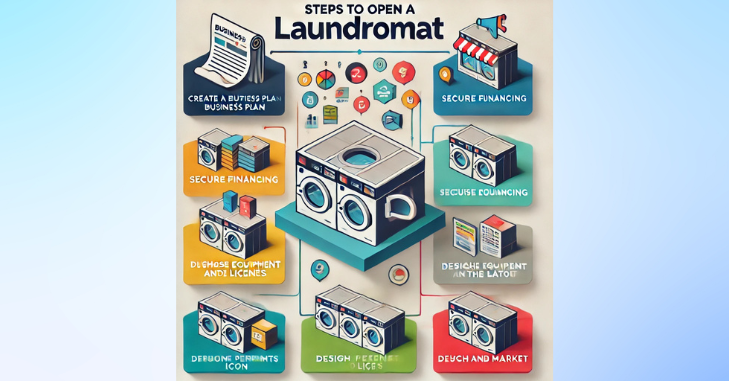
Step 3: Choose a Location
Pick a site with high foot traffic, convenient parking, and proximity to your target market. Ensure there is sufficient space for machines, customer seating, and additional amenities.
Step 4: Purchase Equipment
Select high-efficiency washers and dryers to reduce utility costs. Consider modern features like card-operated or mobile app-enabled payment systems for customer convenience.
Step 5: Obtain Permits and Licenses
Confirm local zoning compliance and acquire all necessary business permits, health department approvals, and fire safety inspections before opening.
Step 6: Design the Layout
Plan your space to maximize customer comfort and efficiency. Include waiting areas, vending machines, folding tables, and accessible restrooms.
Step 7: Launch and Market
- Offer promotional discounts and specials to attract initial customers.
- Use local advertising, social media campaigns, and community engagement to build awareness.
- Implement loyalty programs to encourage repeat business.
Tips for Success

- Invest in Quality Equipment: Durable, energy-efficient machines reduce maintenance costs and increase customer satisfaction.
- Focus on Customer Service: Friendly staff, cleanliness, and safety create a positive experience that encourages repeat visits.
- Offer Additional Services: Add wash-and-fold, delivery, or eco-friendly laundry options to differentiate from competitors.
- Utilize Technology: Implement app-based payment and Wi-Fi to enhance customer convenience.
- Maintain Financial Oversight: Use accounting software to track expenses, profits, and customer insights for informed decisions.
Leveraging Technology and Community Engagement
Expanding on customer engagement, laundromat owners can leverage technology to enhance convenience and retention. Mobile apps for scheduling, payments, and notifications allow customers to monitor machine availability, receive reminders, and even prepay for services.
Integrating loyalty programs and targeted promotions through these apps can boost repeat business, while online reviews and social media presence help attract new customers. Additionally, offering eco-friendly options and community events can position the laundromat as a socially responsible and neighborhood-focused service, further strengthening its competitive edge.
Pros and Cons
Pros
- Consistent Demand: Laundry services are a daily necessity.
- Flexible Operating Hours: Self-service models reduce staffing needs.
- Scalable Growth: Expand through additional locations or service offerings.
- Resilience During Economic Downturns: Laundry remains essential regardless of economic conditions.

Cons
- High Initial Investment: Equipment and location expenses are significant.
- Ongoing Utility Costs: Water, electricity, and gas bills can be substantial.
- Maintenance Demand: Equipment requires regular servicing and repairs.
- Competition: Saturated markets may limit customer acquisition.
Success Strategies for a Laundromat
For sustainable success, laundromat owners should prioritize green initiatives by installing energy-efficient machines, utilizing eco-friendly detergents, and promoting a sustainable brand image.
Building customer loyalty through rewards programs, discounts, and exceptional service is paramount to maintaining a steady clientele.
Expanding revenue streams by offering vending machines, advertising space rental, or partnering with local dry cleaners can significantly boost profits.
Consistently monitor competitors’ prices and services, while keeping your facility updated with modern equipment and amenities, to meet evolving customer needs.
Is a Laundromat Business Right for You?
Before starting, evaluate your financial capability, local market demand, and commitment to managing daily operations. While laundromats provide steady revenue and require minimal inventory, the business demands significant upfront investment and active management investment.
Conclusion
Launching a laundromat can be a profitable and fulfilling venture with effective planning and execution. By understanding startup costs, crafting a solid business plan, and applying proven success strategies, you can build a thriving laundromat business.
Despite the challenges, the consistent demand for laundry services and growth potential make laundromats a compelling business choice. With dedication and preparation, your laundromat can become a valued community service provider.
Additionally, if you want to learn about “Popeyes Franchise Cost: Requirements, Initial Investment, Average Revenue, Obtaining Finances, And Competitors,” please visit our “Small Buisness” category for more insights.
FAQs
Use a blend of local advertising, engaging social media campaigns, and promotional discounts during your opening phase. Implement loyalty programs to retain customers and encourage word-of-mouth referrals.
Consider wash-and-fold services, partnerships with dry cleaners, vending machines for refreshments and laundry supplies, and delivery options to diversify your income streams.
Risks include the high initial capital required, fluctuating utility costs, potential machine breakdowns, and strong competition in saturated markets. Effective planning, maintenance, and differentiation help mitigate these risks.
Investing in energy-efficient washers and dryers, using water-saving technologies, scheduling peak operation times during off-peak utility hours, and regular equipment maintenance can significantly reduce utility expenses.
Typically, you will need a business license, health department approvals, fire safety inspections, and compliance with local zoning regulations. Specific requirements vary by location, so check with local authorities.
