





Introduction
In business finance, “revenue” and “sales” are often interchangeable. But are they truly the same? The question “Is revenue the same as sales?” frequently arises in financial discussions, and the answer holds significant weight for business owners, managers, and investors alike.
Understanding these subtle but crucial distinctions can help you make more informed decisions, improve financial reporting accuracy, and strengthen your bottom line.
This article will explore the definitions, differences, use cases, and financial implications of revenue and sales. We will also examine real-world examples and provide a table summarizing key contrasts.
| Aspect | Revenue | Sales |
| Definition | Total Income from all sources (sales, interest, royalties, etc.) | Income explicitly generated from the sale of goods or services. |
| Includes | Sales + other income streams (e.g., rent, dividends) | Only the value of sold goods/services |
| Type | Broader financial metric | Subset of revenue |
| Example | $500,000 from sales + $20,000 interest = $520,000 revenue | $500,000 in product sales |
| Accounting Use | Top line on the income statement; used for overall analysis | Important for assessing product/service performance |
| Business Relevance | Shows total earnings potential | Shows effectiveness of sales team/product demand |
Defining Sales and Revenue
What Are Sales?
Sales refer to transactions where goods or services are exchanged for money. When a company sells its products or services to customers, those transactions are categorized as sales. Sales can be further broken down into various types:
- Product Sales: Revenue generated from the sale of physical goods.
- Service Sales: Income derived from providing services rather than tangible products.
- Recurring Sales: Income from subscriptions or contracts that provide ongoing revenue streams.

What Is Revenue?
Revenue encompasses the total Income a business generates from its core operations, including sales and other income sources. It is a broader term that includes:
- Sales Revenue: Money earned from selling goods and services.
- Other Income: This can include investment income, interest income, rental Income, and any other forms of Income that contribute to the total revenue.
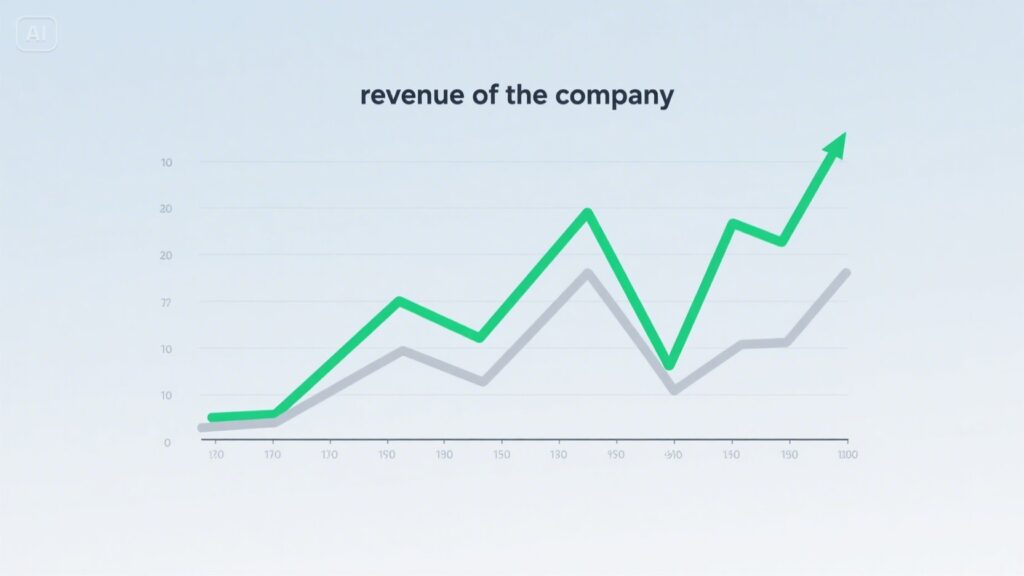
Is Revenue the Same as Sales? Key Differences
While sales are a revenue component, revenue includes more than just sales figures. Understanding this distinction is vital for interpreting financial statements accurately.
| Aspect | Sales | Revenue |
| Definition | Income from selling goods/services | Total Income from all business activities |
| Components | Primarily product and service sales | Sales revenue + other income sources |
| Focus | Short-term transactions | Overall financial performance |
| Impact on Financials | Directly impacts sales figures | Influences overall revenue and profitability |
The Importance of Understanding the Differences
Financial Reporting
Understanding the difference between revenue and sales is crucial for financial reporting. Companies typically report both figures on their income statements, providing stakeholders insights into sales performance and overall economic health. Misinterpreting these terms can lead to inaccurate assessments of a company’s performance.
Business Strategy
Knowing how to differentiate between revenue and sales can guide strategic decisions for business owners and managers. If a company sees a decline in sales but stable revenue, it may indicate that non-sales income streams are compensating for lower sales volume. Conversely, rising sales without a corresponding revenue increase may suggest pricing or cost management issues.

Investor Insights
Investors often analyze a company’s revenue and sales figures to gauge its health and growth prospects. Understanding these terms helps investors decide where to allocate their resources. A strong sales performance may suggest a successful product or service, while robust revenue growth may indicate effective overall business strategies.
How Revenue Is Calculated
Revenue Recognition Principles
According to accounting principles, revenue is recognized when it is earned. This means revenue can be recorded at different sales process stages, depending on the accounting method used.
- Cash Basis Accounting: Revenue is recognized only when cash is received.
- Accrual Basis Accounting: Revenue is recognized when earned, regardless of when cash is received.
Revenue Calculation Formula
The basic formula for calculating total revenue is:
Total Revenue=Sales Revenue+Other Income\text{Total Revenue} = \text{Sales Revenue} + \text{Other Income}Total Revenue=Sales Revenue+Other Income
Where:
- Sales Revenue is the Income generated from goods and services sold.
- Other Income includes any additional income sources contributing to total revenue.
The Role of Sales in Revenue Growth
Sales Strategies
Sales strategies directly impact revenue growth. Companies can implement various strategies to enhance sales performance, such as:
- Pricing Strategies: Adjusting prices to attract more customers or increase profit margins.
- Marketing Campaigns: Investing in advertising and promotions to boost sales.
- Sales Training: Equipping sales teams with the skills and knowledge to effectively close deals.
Impact of Sales on Revenue
While sales are a crucial revenue driver, they are not the only factor. A company may have strong sales but still struggle with profitability if its costs are too high. Conversely, a company might have lower sales but higher revenue if other income streams are monetized effectively.
The Interplay of Revenue and Sales Metrics
Key Performance Indicators (KPIs)
Understanding both revenue and sales metrics is vital for assessing business performance. Key performance indicators to consider include:
- Sales Growth Rate: Measures the percentage increase in sales over a specific period.
- Revenue Growth Rate: Measures the percentage increase in total revenue over a specific period.
- Gross Margin: Calculates the difference between sales revenue and the cost of goods sold (COGS).
- Net Profit Margin: The ratio of net profit to total revenue, indicating overall profitability.
Analyzing Trends
Companies should regularly analyze trends in both sales and revenue to make informed decisions. A decline in sales may require immediate attention, while a steady revenue stream might indicate the effectiveness of other income sources. Understanding these metrics allows businesses to pivot strategies as needed.

Common Misconceptions About Revenue and Sales
One common misconception is that higher sales automatically mean higher profitability. In reality, revenue and sales figures do not account for expenses such as operating costs, taxes, salaries, and production expenses.
A company may report strong sales numbers yet experience reduced net income due to rising costs or shrinking margins. Additionally, revenue can sometimes be influenced by one-time gains, such as asset sales or investment returns, which may not reflect sustainable business performance.
Case Studies: Sales vs. Revenue in Action
Case Study 1: A Retail Company
A retail company saw a significant increase in sales during a promotional period, leading to a 20% rise in sales revenue. However, due to high promotional costs, the overall revenue growth was only 5%. This case illustrates how strong sales do not always translate to revenue growth.
Case Study 2: A SaaS Business
A software-as-a-service (SaaS) company experienced steady revenue growth from subscription fees while sales of additional services remained flat. Despite lower sales figures, the company’s overall revenue rose due to effective customer retention strategies and upselling.
Conclusion
In answering the question, “Is revenue the same as sales?” it is clear that while sales are a critical component of revenue, they are not synonymous. Understanding the differences between these two concepts is essential for effective financial reporting, strategic decision-making, and performance analysis.
Businesses can better navigate their financial landscapes by recognizing how sales contribute to overall revenue and the importance of other income streams. This knowledge helps assess current performance and aids in planning for future growth.
In today’s competitive market, grasping the nuances of revenue and sales can significantly impact your bottom line and drive long-term success.
Want to know about ‘What Experienced Personal Injury Lawyers in Roseville, California Build a Winning Injury Case‘ Check out our ‘Industry‘ category.
FAQs
Sales strategies, such as pricing adjustments and marketing campaigns, directly influence sales performance, which can, in turn, affect overall revenue growth.
Yes, a company can experience high sales volume but still have low revenue if costs are high or it lacks additional income streams.
Revenue can be recognized using different accounting methods, primarily cash-based and accrual-based accounting.
Businesses should regularly review sales and revenue metrics to identify patterns, make informed decisions, and adjust strategies.
