





Introduction
In today’s dynamic work environment, organizations increasingly recognize the importance of leveraging employee strengths to enhance productivity and drive success. By focusing on core skills and competencies, businesses can create a more engaged workforce, improve performance, and achieve their strategic goals.
The traditional view of employee development often emphasizes addressing weaknesses and filling skill gaps. However, a growing body of research suggests that focusing on strengths—those innate talents and skills that employees naturally excel in—can lead to higher engagement, job satisfaction, and overall performance.
By unlocking these strengths, organizations can foster a culture of collaboration, innovation, and resilience that propels them toward success.
| celebrate achievements, provide growth opportunities, and encourage peer recognition. | Description |
| Core Skills | Fundamental abilities that enable effective performance, including technical and interpersonal skills. |
| Importance of Core Skills | Enhances performance, increases engagement, improves team dynamics, and fosters adaptability. |
| Identifying Strengths | Methods include self-assessment tools, 360-degree feedback, and performance reviews. |
| Culture of Recognition | Celebrating achievements, providing growth opportunities, and encouraging peer recognition. |
| Development Programs | Tailored training, mentorship, and cross-functional projects to enhance core skills. |
| Opportunities for Application | Empowering employees, encouraging collaboration, and offering stretch assignments. |
| Feedback and Improvement | Regular check-ins, performance metrics, and fostering a feedback culture for continuous growth. |
| Impact on Engagement | Strength-based approaches lead to higher engagement, lower turnover, and increased productivity. |
| Team Performance | Leveraging individual strengths creates effective teams and fosters innovation. |
| Resilience | Cultivating strengths enhances adaptability to change and organizational resilience. |
| Case Studies | Examples of companies successfully implementing strength-based cultures to drive success. |
Understanding Core Skills
Defining Core Skills
Core skills refer to the fundamental abilities and competencies that enable individuals to perform effectively in their roles. These include technical skills, interpersonal skills, problem-solving abilities, and leadership qualities. Recognizing these skills is crucial for employees and employers, as they serve as the foundation for professional growth and organizational success.
The Importance of Core Skills in the Workplace
Core skills are essential for several reasons:
- Enhanced Performance: Employees who utilize their strengths are more likely to perform at higher levels, leading to improved outcomes for the organization.
- Increased Engagement: When employees are encouraged to use their strengths, they feel more valued and engaged, which can reduce turnover rates.
- Better Team Dynamics: Understanding each team member’s core skills allows for more effective collaboration and communication, leading to stronger team performance.
- Adaptability: A workforce aware of its strengths can adapt more quickly to changes and challenges, fostering resilience in the face of adversity.
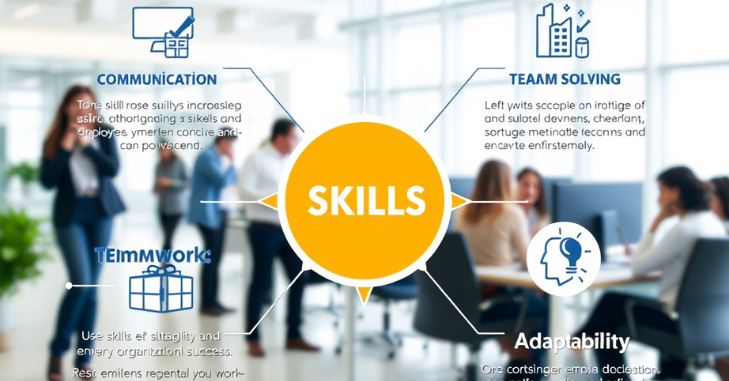
The Role of Recognition in Cultivating Strengths
Identifying Employee Strengths
To unlock employee strengths, organizations must first identify them. This can be achieved through various methods:
- Self-Assessment Tools: Encouraging employees to assess their skills and competencies can provide valuable insights.
- 360-Degree Feedback: Gathering input from peers, supervisors, and subordinates can help identify strengths and areas for development.
- Performance Reviews: Regular performance evaluations can highlight core skills and areas where employees excel.
Creating a Culture of Recognition
Recognition plays a vital role in cultivating employee strengths. Employees who feel recognized for their contributions are likelier to engage with their work and strive for excellence. Organizations can foster a culture of recognition by:
- Celebrating Achievements: Acknowledging individual and team successes can boost morale and motivate employees to continue leveraging their strengths.
- Providing Opportunities for Growth: Offering training and development programs that align with employees’ core skills can enhance their capabilities and job satisfaction.
- Encouraging Peer Recognition: Implementing peer-to-peer recognition programs can create a supportive environment where employees appreciate each other’s strengths.
The Impact of Strength-Based Development on Organizational Success
Improved Employee Engagement
Organizations that prioritize employee strengths often see significant improvements in engagement levels. Engaged employees are likelier to be committed to their work, exhibit higher productivity, and contribute positively to the workplace culture. This can result in lower turnover rates and reduced hiring costs.
Enhanced Team Performance
When employees are encouraged to leverage their strengths, teams become more effective. Team members who complement each other’s skills can collaborate more efficiently, leading to innovative solutions and improved performance. Stronger team dynamics foster a sense of belonging and collaboration, enhancing productivity.
Greater Innovation and Creativity
Organizations that cultivate employee strengths create an environment conducive to innovation. Employees who feel empowered to use their core skills are more likely to think creatively and propose new ideas. This culture of innovation can lead to improved products, services, and processes, ultimately driving organizational success.
Increased Resilience
Resilience is essential in today’s rapidly changing business landscape. Organizations that recognize and develop employee strengths are better equipped to navigate challenges. A workforce aware of its capabilities can adapt more readily to change, leading to sustained success in adversity.
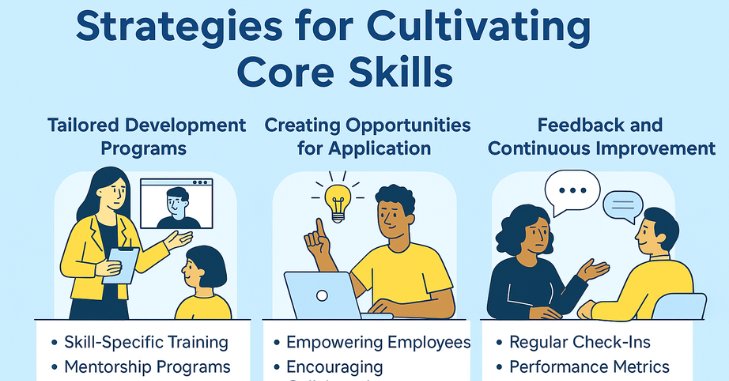
Strategies for Cultivating Core Skills
Tailored Development Programs
Organizations should design development programs that are tailored to employees’ strengths. This can involve:
- Skill-specific training: Training sessions focusing on enhancing core skills, such as communication, leadership, or technical abilities.
- Mentorship Programs: Pair employees with mentors who can help them refine their strengths and guide their professional growth.
- Cross-functional projects: Encouraging employees to participate in projects outside their primary responsibilities can help them apply their strengths in new ways and develop additional competencies.
Creating Opportunities for Application
Recognizing and cultivating core skills is not just about training; it’s also about providing opportunities for employees to apply what they have learned. Organizations can facilitate this by:
- Empowering Employees: Allowing employees to take ownership of their projects and initiatives can increase engagement and innovation.
- Encouraging Collaboration: Creating cross-departmental teams can enable employees to leverage their strengths in diverse settings, fostering creativity and problem-solving.
- Offering Stretch Assignments: Providing opportunities for employees to take on challenging tasks can help them develop their strengths further and build confidence.
Feedback and Continuous Improvement
Regular feedback is crucial for cultivating employee strengths. Organizations should implement systems that encourage ongoing feedback, such as:
- Regular Check-Ins: Scheduling one-on-one meetings with employees to discuss their progress and areas for improvement can reinforce the importance of strengths.
- Performance Metrics: Utilizing performance metrics focusing on strengths can help employees track their progress and align their efforts with organizational goals.
- Creating a Feedback Culture: Encouraging open communication and constructive feedback among team members can foster a culture of continuous improvement.
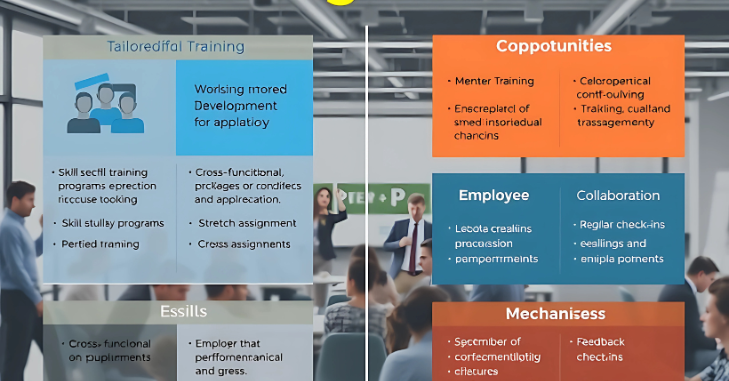
Leveraging Technology to Support Strength-Based Development
Modern organizations can enhance their strength-based development initiatives by integrating technology into employee growth programs. Tools like AI-driven performance analytics, skills assessment platforms, and personalized learning management systems allow managers to identify individual strengths more accurately and provide tailored development paths.
Digital recognition platforms also make it easier to celebrate achievements in real-time, fostering a culture of continuous motivation.
Case Studies: Success Stories of Strength-Based Cultures
Company A: Empowering Employees Through Recognition
Company A implemented a strengths-based approach by introducing a recognition program celebrating employee achievements. By recognizing individual strengths, the company saw a significant increase in employee engagement scores and reduced turnover rates. Employees reported feeling more valued and motivated to contribute to the organization’s success.
Company B: Fostering Innovation Through Strengths
Company B adopted a strengths-based development program, encouraging employees to participate in cross-functional teams. This initiative led to a surge in innovative ideas and solutions, successfully launching several new products. The company’s commitment to cultivating employee strengths enhanced team performance and positioned it as a leader in its industry.

Company C: Building Resilience and Adaptability
Company C focused on developing core skills through tailored training programs and mentorship opportunities. As a result, employees became more adaptable and resilient to industry changes. The organization thrived during challenging times, attributing its success to the strength-based culture it had cultivated.
Conclusion
Unlocking employee strengths is a powerful strategy for driving workplace success. By recognizing and cultivating core skills, organizations can create a more engaged, innovative, and resilient workforce. This approach’s benefits extend beyond individual employees, leading to improved team dynamics, enhanced performance, and tremendous organizational success.
As businesses evolve in an increasingly competitive landscape, prioritizing employee strengths will be essential for sustainable growth. By fostering a culture of recognition and development, organizations can empower their employees to reach their full potential and contribute to a thriving workplace environment.
Embracing this strength-based approach is not just a trend but a fundamental shift that can transform how organizations operate and achieve success in the modern world.
Apart from that if you want to know about “Internal Customer Types: A Comprehensive Overview Of Its Tips, Benefits, Importance, And Examples” then please visit our “Industry” Category.
FAQs
Effective strategies include tailored development programs, mentorship opportunities, and environments that encourage the application of strengths.
Recognition fosters a culture where employees feel valued, leading to increased motivation and engagement. Celebrating achievements and providing growth opportunities are key components.
Organizations can identify strengths through self-assessment tools, 360-degree feedback, and regular performance reviews.
Focusing on employee strengths enhances performance, increases engagement, improves team dynamics, and fosters organizational adaptability.
