





Introduction
Memes have evolved far beyond simple funny images shared on social media; they are now a dynamic form of cultural expression capable of conveying complex ideas quickly and engagingly. In today’s competitive business landscape, memes serve multiple strategic purposes, from enhancing marketing campaigns to improving internal communications and boosting employee engagement.
Business memes have emerged as powerful tools dominating social media platforms, corporate communications, and professional networks like LinkedIn. By blending humor with topical relevance, they help brands connect authentically with their target audiences.
Understanding the impact and significance of memes in business unlocks innovative strategies that can elevate brand awareness, foster employee morale, and cultivate thriving workplace cultures.
| Category | Key Points | Examples |
| Introduction | Memes enhance marketing, engagement, and employee morale. | Social media posts, LinkedIn content. |
| The Rise of Memes | Evolved from niche jokes to essential business tools. | Internet trends, viral campaigns. |
| Why Memes Work | Relatable, shareable, cost-effective, and humanizing. | Brands’ social engagement, humor appeal. |
| Marketing Use | Boosts brand awareness and customer interaction. | Wendy’s Twitter, Duolingo’s humor-driven content. |
| Workplace Impact | Enhances morale and strengthens team bonding. | Slack meme channels, internal emails. |
| Challenges | Avoid offensive content and misused memes. | PR issues from insensitive memes. |
| Creating Memes | Stay relevant, concise, and engaging. | Tools like Canva, Imgflip, Adobe Express. |
| Future Trends | Growing role in digital marketing and remote work culture. | AI-generated memes, hybrid work communication. |
The Rise of Business Memes
How Memes Evolved in the Business World
What began as simple internet jokes shared within niche online communities has transformed into a universal communication tool. Today, memes blend humor with cultural references and have become integral to digital marketing, employee engagement, and recruitment strategies.
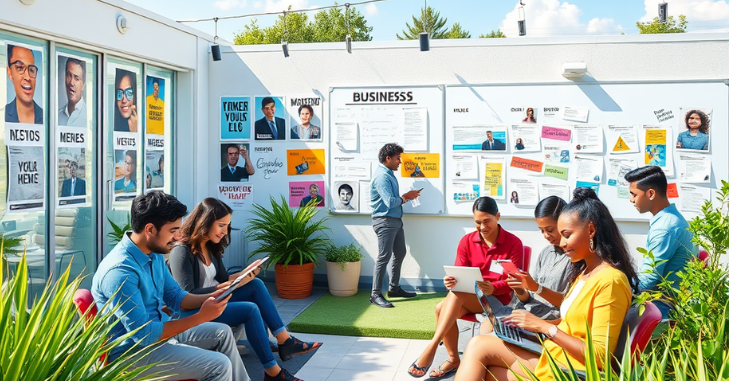
With platforms like Twitter, Instagram, LinkedIn, and TikTok dominating online interaction, memes have entered mainstream culture. Businesses recognized their viral potential early, integrating memes to engage audiences creatively and effectively.
Why Memes Resonate with Businesses
Memes work exceptionally well in business contexts because they are:
- Relatable – They reflect authentic real-life experiences and evoke emotional resonance.
- Highly Shareable – Their viral nature amplifies brand exposure organically and rapidly.
- Cost-Effective – Creating and distributing memes requires minimal investment while generating substantial engagement.
- Humanizing for Brands – Memes add personality, making brands approachable, memorable, and trustworthy.
The Anatomy of a Meme
Understanding Memes
Memes are concise visuals or phrases that spread virally online, often using humor, irony, or cultural references to establish emotional connections. Successful memes are instantly recognizable, easy to share, and evoke strong emotional or cognitive responses.
The Elements of a Business Meme
Effective business memes typically include:
- Visuals: Eye-catching images or graphics designed to capture attention immediately.
- Text: Witty captions or punchy phrases that provide contextual humor or insight.
- Cultural Relevance: References to current events, trending topics, or relatable workplace scenarios that resonate with the audience.
Blending these elements skillfully creates powerful messages that connect with both employees and customers.
The Role of Humor in Business
Humor is a crucial icebreaker in professional environments. A well-timed meme can lighten meetings’ atmospheres, reduce tension, and encourage open communication. Incorporating humor in the workplace fosters creativity by making employees feel relaxed, boosting innovative thinking and collaboration.

Shared humor builds team camaraderie, fostering collaboration and mutual support essential for a vibrant organizational culture.
Memes as Marketing Tools
1. Engaging Audiences
In a digital space saturated with advertisements, memes offer refreshing and entertaining content. Brands leveraging humor engage their audiences more effectively than traditional marketing approaches.
2. Sharing and Virality
Designed to be shareable, memes encourage consumers to distribute content widely within their social networks, significantly increasing brand visibility and organic reach.
3. Aligning with Trends
Memes tap into current cultural moments and trending topics. Timely meme content helps brands stay relevant and forge stronger emotional connections with their audience.
4. Building Brand Personality
Through memorable humor, memes communicate brand values and personality, making companies appear relatable and approachable, thereby breaking down barriers between brands and customers.
Case Studies: Successful Business Memes
1. Wendy’s Twitter Strategy
Wendy’s fast-food chain has established a reputation for its witty and bold Twitter presence. Its clever use of memes and humorous interactions significantly boost brand loyalty and social media visibility.
2. Netflix
Netflix employs memes extensively to promote its original content. By creating highly relatable and shareable memes, Netflix elevates audience engagement and stimulates organic conversations around its shows and movies.
3. Slack
Slack integrates memes into user communications to explain updates and new features. This method enhances message engagement, improves user retention, and adds a fun dimension to corporate communications.
Challenges of Using Memes in Business
- Misinterpretation: Humor might not translate well across diverse cultures or age groups. Brands must vet memes thoroughly to prevent misunderstandings or offense.
- Maintaining Professionalism: Balancing humor with the company’s core values and professional image is vital to avoid alienating customers or employees.
- Over-Saturation: Overusing memes risks causing audience fatigue. A balanced, well-planned content strategy ensures memes remain effective and welcomed.
Memes as Tools for Employee Training and Development
Beyond marketing and engagement, memes are increasingly being used as innovative tools for employee training and professional development. Short, humorous visuals can simplify complex concepts, reinforce company policies, or highlight best practices in a memorable way. Elsewhere on the site: A Lean Growth Plan for Startups.
For example, a well-crafted meme about cybersecurity habits or customer service etiquette can make learning more engaging, improve knowledge retention, and spark team discussions. By combining humor with educational content, businesses can foster a learning-friendly culture while keeping employees motivated and attentive.
Best Practices for Implementing Memes in Business
Effective meme use begins with understanding your audience — their interests, demographics, and cultural sensitivities — ensuring content relevance and resonance. Staying current by referencing timely events, industry trends, and workplace scenarios maintains meme impact.
Encouraging employees to participate in meme creation fosters creativity, enhances relatability, and deepens team ownership. Tracking engagement analytics helps evaluate meme performance and refine future strategies.
As digital communication evolves, memes will play an increasingly vital role in marketing and internal communications, highlighting humor’s power in building meaningful brand and employee connections.
The Future of Memes in Business
1. Increased Integration
Memes will become more deeply embedded across marketing and corporate communications, with organizations leveraging humor to boost engagement, brand affinity, and employee culture.
2. Enhanced Creativity
We expect a surge in creative meme concepts, with brands experimenting with innovative formats and narratives to communicate messages and core values effectively.
3. Evolving Platforms
With new social media and communication channels emerging, memes will continuously adapt in format and style. Businesses must stay agile to seize these opportunities and maximize meme reach and impact.
Conclusion
The power of business memes lies in their ability to engage, connect, and entertain simultaneously. Strategically using humor through memes strengthens brand presence, boosts employee morale, and fosters a positive, productive corporate culture.
As the digital world advances, memes are becoming an essential component of effective business communication and marketing strategies. Embracing this trend positions companies to thrive amid increasing competition.
For more insights on “Junkluggers Cost Breakdown: What You Need to Know Before Booking,” please visit our “Small Buisness” category.
FAQs
Memes are highly shareable, cost-effective, relatable, and help humanize brands, making them powerful tools for increasing audience engagement and enhancing brand awareness.
Companies can integrate memes across social media, email campaigns, and advertisements to connect with audiences in a relatable and entertaining way, thereby increasing engagement and visibility.
Successful meme use involves staying culturally sensitive, aligning content with brand voice, avoiding offensive humor, ensuring relevance to current trends, and actively responding to audience feedback.
Yes. Using outdated, offensive, or misinterpreted memes can damage brand reputation and workplace culture. Careful curation and cultural awareness are essential to mitigate these risks.
Popular meme creation tools include Canva, Imgflip, and Adobe Express (formerly Adobe Spark), all of which offer user-friendly platforms to design engaging and professional memes.
Memes foster humor and relatability among employees, boosting morale, enhancing internal communication, and strengthening team cohesion, which contributes to a more positive work environment.
Common mistakes include using outdated or irrelevant memes, ignoring cultural sensitivities, overusing memes that can cause audience fatigue, and failing to align meme content with the brand’s identity and values.
Memes enhance engagement and foster a sense of connectedness in remote and hybrid teams by providing shared humor and relatable content, which helps overcome communication gaps and builds team spirit.
