




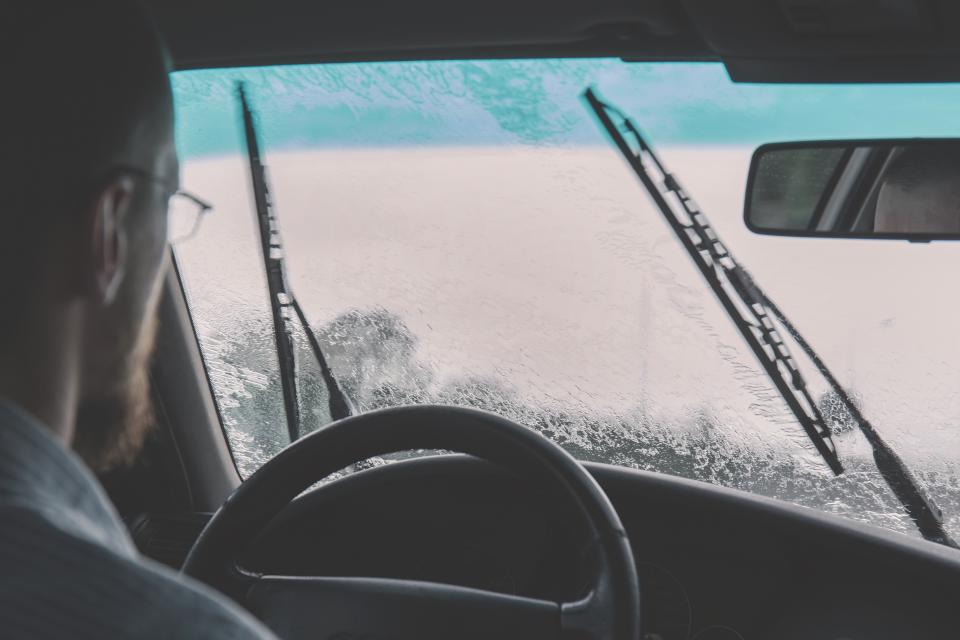
A car’s windshield is one of those things most drivers take for granted until a problem arises. Yet, this seemingly simple piece of glass plays a vital role in safety, visibility, and the structural strength of your vehicle. Modern windshields are not just barriers against the wind and rain; they are carefully engineered safety shields that support airbags, reinforce the roof, and help sensors function properly. Ignoring early signs of damage can lead to bigger risks, higher repair costs, and even accidents. As Yara, an automotive specialist, points out, your windshield is more than glass, it’s a safety system, and knowing when it needs immediate attention is essential.
One of the most obvious indicators is the appearance of cracks. Small chips may seem harmless at first, but they can quickly spread under temperature changes, vibrations, or further impact. A long crack across the driver’s line of sight not only weakens the structural integrity of the glass but also distorts vision, making it unsafe to continue driving. Yara emphasizes that even minor cracks compromise the strength of laminated glass, which is designed to hold together during an accident. Leaving a crack untreated could mean that your windshield fails when you need it most.
Another red flag is pitting or tiny pits caused by gravel, sand, and debris hitting the glass over time. While these may not look as dramatic as cracks, they scatter light and create glare, especially at night. This can reduce visibility and increase eye strain while driving. If you find yourself struggling to see clearly in sunlight or when facing headlights, it’s a sign that your windshield may be too worn to remain safe.
Distortion is also a serious issue. Sometimes windshields develop waves or bends in the glass that make objects look warped. This can happen due to manufacturing defects, poor-quality replacement glass, or prolonged exposure to heat. Distorted windshields may cause misjudgments in distance or speed, increasing the risk of an accident. Since many vehicles now rely on windshield-mounted sensors for advanced driver assistance systems, Yara explains that any distortion can also interfere with the accuracy of these technologies.
Leaks around the windshield frame are another warning sign that often goes unnoticed. If you notice water seeping in during rain or hear more wind noise than usual, the seal might be compromised. A poorly sealed windshield doesn’t just let in water—it also weakens the overall structure of the vehicle. In a crash, this could mean the windshield popping out entirely, which severely reduces protection for passengers.
Scratches, while less dramatic than cracks, can still be a problem. Over time, wipers can create fine scratches on the surface of the glass, which refract light and reduce clarity. When combined with rain, fog, or night driving, these scratches can significantly affect visibility. According to Yara, clarity is one of the most underestimated aspects of windshield safety, yet it has a direct impact on a driver’s reaction time.
In addition to physical damage, pay attention to warning lights or malfunctions in your vehicle’s safety systems. Many modern cars have cameras and sensors mounted behind the windshield to manage lane departure alerts, automatic braking, and adaptive cruise control. If your windshield is damaged or improperly replaced, these systems might stop working correctly. Even if the damage seems small, it can interfere with calibration and put you at risk on the road.
Ultimately, your windshield should always be clear, strong, and free of defects. Any crack, chip, distortion, or leak should be addressed quickly by a professional. Repairs are often affordable and fast if handled early, while replacements ensure full safety if the damage is too severe. As Yara concludes, delaying action on windshield problems is never worth the risk—your safety and that of your passengers depends on treating this crucial component with the attention it deserves.
