




Introduction
Relocating to Europe from the USA is a dream for many, offering rich cultural diversity, an improved quality of life, and unique career opportunities. However, this major transition requires thorough planning, especially when navigating complex legal procedures, securing suitable housing, and adapting to a new lifestyle.
Moving from the United States to Europe is an exciting adventure filled with fresh experiences, diverse cultures, and promising opportunities. Yet, it can also be complex and requires detailed preparation to ensure a smooth relocation.
This comprehensive guide covers everything you need to know about moving to Europe from the USA, including the latest visa requirements, practical housing tips, and valuable insights into expat life in 2024 and beyond.
| Category | Key Points |
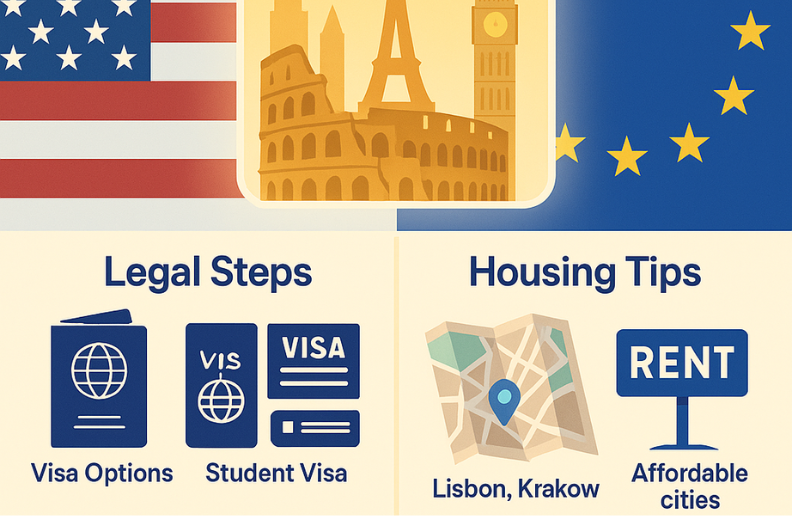
| Legal Steps | Visa Options: Work, Student, Digital Nomad, Golden Visa, Retirement Visa. |
| Residence Permits: Required after obtaining a visa; allows legal residency and access to social services. | |
| ETIAS Authorization: Mandatory for short stays in the Schengen Zone starting in 2024. | |
| Finding Housing | Renting vs. Buying: Renting is ideal for short-term stays; buying suits long-term residents. |
| Affordable Cities: Lisbon, Budapest, Krakow. | |
| Key Considerations: Proximity to work/schools, access to public transport, neighborhood safety. | |
| Expat Insights | Cultural Differences: Customs vary; research and embrace local traditions. |
| Language Barriers: Learning the local language improves integration; use apps or classes. | |
| Social Integration: Join clubs, volunteer, and participate in events to build a community. | |
| Cost of Living | Affordable Living Options: Cities like Sofia and Valencia offer lower costs than Western European capitals. |
| Tax Benefits: Investigate tax treaties and policies benefiting expats, including the Foreign Earned Income Exclusion (FEIE). | |
| Challenges | Health Insurance: Essential for residency; required by many countries. |
| Bureaucracy: Can be complex; seek professional assistance for legal paperwork. | |
| Homesickness: Use technology to stay connected to loved ones. |
Legal Steps: Navigating Visa and Residency Requirements
Relocating to Europe involves more than just packing; securing the appropriate visa and residence permits is crucial. The specific visa you need depends on your relocation purpose—whether for work, study, retirement, or remote employment.
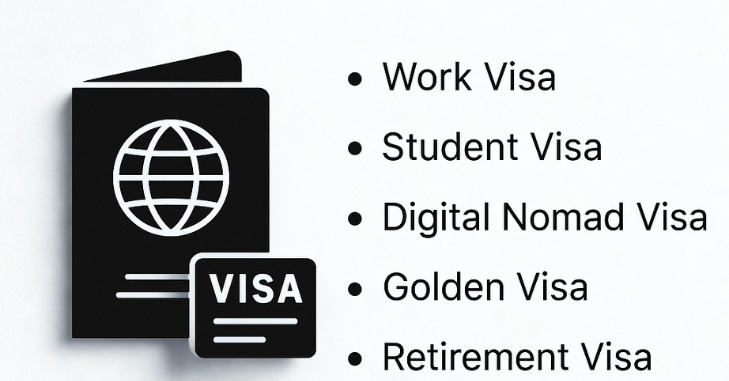
1. Visa Options for Americans
Americans have multiple visa options for moving to Europe in 2024:
- Work Visa: Requires a job offer from a European employer who will sponsor your permit.
- Student Visa: Suitable for those enrolled in European universities or educational institutions.
- Digital Nomad Visa: Ideal for remote professionals seeking extended stays; offered by countries like Portugal, Estonia, and Croatia.
- Golden Visa: Available through significant investment programs in countries such as Portugal and Spain, providing residency rights.
- Retirement Visa: Designed for retirees who can demonstrate sufficient income and stable finances.
Each visa type requires precise documentation, including proof of financial means, accommodation details, and a clean criminal record. Always check the specific country’s updated requirements as they may vary.
2. Residence Permits
After obtaining your visa, applying for a residence permit is typically mandatory upon arrival in your chosen country. This permit legally authorizes your stay and often grants access to healthcare, social benefits, and other public services.
Processing times and requirements vary by country, so early application is recommended to avoid legal complications.

3. ETIAS Authorization
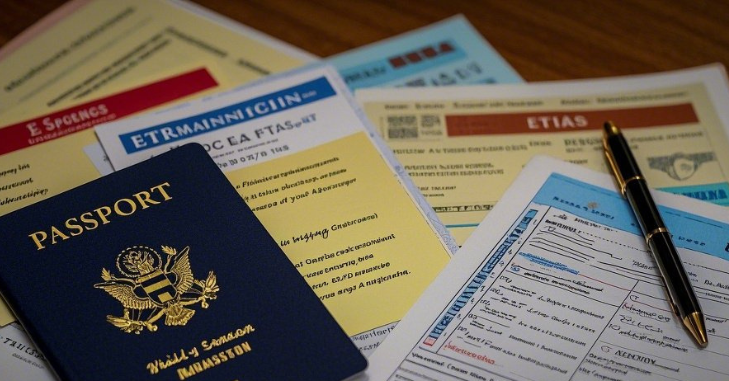
Starting in 2024, Americans entering the Schengen Area for short stays (up to 90 days within a 180-day period) must obtain ETIAS (European Travel Information and Authorization System) approval. ETIAS is an electronic travel authorization designed to enhance security and streamline border control.
Although not a visa, it is mandatory for most U.S. travelers visiting up to 26 Schengen countries, including France, Germany, Italy, and Spain. The application is straightforward and typically approved within minutes to days.
Finding Housing: Tips for Securing Accommodation
Securing housing is a pivotal step when relocating to Europe. Your choice between renting and buying depends on your budget, stay duration, and local market conditions.
1. Renting vs. Buying
- Renting: Recommended for short-term stays or if you are still testing the waters. Rental prices vary by country and city, with city centers generally more expensive than suburbs. Lease agreements can differ—some require deposits or guarantors.
- Buying: Suitable for long-term residents or retirees planning permanent relocation. Purchasing property involves navigating local regulations and upfront costs such as taxes and legal fees. Some countries have restrictions on foreigners buying property—research beforehand.

2. Affordable Cities for Expats
Europe has several cities that balance affordability with a high quality of life, ideal for expats:
- Lisbon, Portugal: Offers a warm climate, welcoming culture, and relatively low living costs compared to other Western European capitals.
- Budapest, Hungary: Renowned for its historical beauty and affordable housing market.
- Krakow, Poland: Combines rich cultural heritage with budget-friendly accommodation and amenities.
- Sofia, Bulgaria: One of the cheapest capitals in Europe with growing expat communities.
- Valencia, Spain: Offers Mediterranean lifestyle with reasonable rent and good infrastructure.
3. Key Considerations When House-Hunting
- Proximity to your workplace, educational institutions, or public transport hubs.
- Accessibility of public transportation for smooth daily commuting.
- Neighborhood safety and reputation, especially important for families.
- Local amenities like grocery stores, healthcare facilities, and parks.
Expat Insights: Adapting to Life in Europe
Living in Europe presents exciting opportunities as well as cultural and practical challenges. Here is how to adapt successfully as an expat:
1. Cultural Differences
Europe’s diversity means that customs and social norms vary greatly between countries:
- Greeting etiquette varies: handshake is common in Germany, while cheek kisses are customary in France.
- Tipping practices differ and are often less obligatory than in the USA.
- Business hours and public holidays may also differ; plan accordingly.
Research local customs before your move and approach new traditions with openness to facilitate smoother social integration.

2. Language Barriers
Although English is widely used in major cities and tourist areas, learning the local language is essential for deeper integration. It can significantly enhance everyday interactions, workplace communication, and social life.
Use language learning apps such as Duolingo, Babbel, or take formal classes locally or online. Consistent practice accelerates fluency.
3. Social Integration
Building a social network helps with emotional well-being and assimilation:
- Join local clubs, sports teams, or hobby groups related to your interests.
- Volunteer for community projects or expat organizations.
- Attend cultural events, festivals, and meetups to meet locals and fellow expats.
Cost of Living: Managing Finances Abroad
The cost of living in Europe varies widely, depending on the country, city, and lifestyle.
1. Affordable Living Options
Cities such as Sofia, Bulgaria, and Valencia, Spain, provide attractive living costs, especially compared to expensive Western capitals like Paris, London, or Amsterdam. Suburban or smaller town living can further reduce expenses while offering a high quality of life.
2. Tax Benefits for Expats
Some European countries offer favorable tax regimes or bilateral tax treaties with the USA that minimize double taxation for expats. For example, the Foreign Earned Income Exclusion (FEIE) allows U.S. taxpayers residing abroad to exclude a portion of their foreign income from U.S. taxation.
Consult a tax professional knowledgeable in international taxation to optimize your financial planning before and after your move.
Planning Financial Logistics Before Your Move
Before relocating, it is crucial to establish a clear financial strategy tailored to life in Europe. Opening an international bank account or a local European account early can simplify payments for rent, utilities, and everyday expenses.
Currency fluctuations between the U.S. dollar and the euro or other local currencies should also be considered, as they can affect your budgeting and cost of living. Additionally, researching credit card acceptance, transaction fees, and local banking regulations ensures smooth financial operations.
Challenges Expats Face: Overcoming Common Hurdles
Relocating abroad involves challenges, but awareness and preparation can ease the transition.
1. Health Insurance
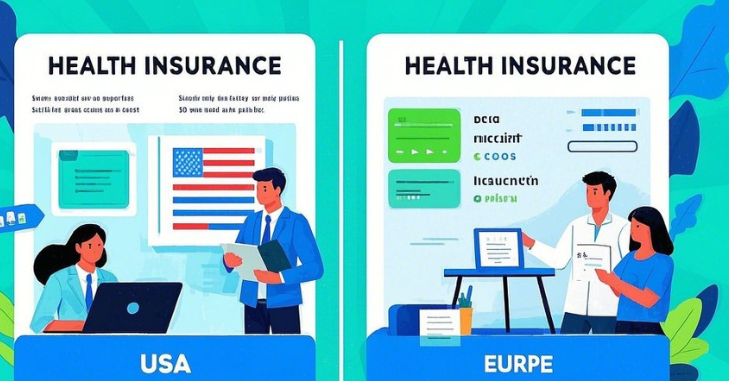
Healthcare systems vary across Europe; most countries require proof of valid health insurance for residency applications. It’s essential to secure either private international health insurance or enroll in the local public health system where eligible.
Research national healthcare registration processes and costs to ensure continuous coverage.
2. Bureaucracy
Administrative procedures such as visa applications, registration with local authorities, and property transactions can be complex and time-consuming. Employing immigration lawyers, relocation specialists, or experienced real estate agents can simplify these processes and reduce stress.
3. Homesickness
Adjusting to a new country often brings feelings of isolation or homesickness. Staying connected with family and friends through video calls, social media, or visits can ease this. Engaging actively in local communities also quickly builds new support networks.
Top Reasons Americans Move to Europe
Many Americans are drawn to Europe for several compelling reasons:
- Access to high-quality healthcare systems at affordable rates.
- Immersive cultural diversity and proximity to numerous travel destinations.
- Lower daily stress and reduced societal pressures, including less emphasis on tipping and consumerism.
- Enriched lifestyle with historic cities, outdoor activities, and balanced work-life culture.
Conclusion
Moving from the USA to Europe is an exciting and rewarding endeavor that requires careful preparation—securing visas, finding suitable housing, and embracing new cultural norms. By understanding the legal requirements, researching affordable locations, and actively engaging with your new community, you can make your relocation experience smooth, enjoyable, and fulfilling.
Whether you’re attracted by Europe’s rich history, favorable cost of living, or global career opportunities, this guide provides the essential knowledge you need for a successful transition.
For more information about please visit our “Transportation” category.
FAQs
Depending on your relocation purpose, you can apply for work visas, student visas, digital nomad visas, golden visas, and retirement visas across various European countries.
Yes, after obtaining a visa, you generally must apply for a residence permit upon arrival to live legally and access social services in your host country.
ETIAS (European Travel Information and Authorization System) is an electronic travel authorization compulsory for Americans entering the Schengen Zone for short stays (up to 90 days) starting in 2024.
Renting is recommended for short-term or exploratory stays, while buying is more suitable for long-term residence or retirement plans.
Learning the local language through apps, classes, and daily practice greatly helps communication and integration. Engaging with locals also accelerates language acquisition.
In cities like Sofia or Valencia, monthly living costs (including rent, food, transportation) can be 30-50% lower than in cities like Paris or London, making them attractive options for budget-conscious expats.
