




Introduction
In today’s world, where sustainability and environmental concerns are at the forefront, energy careers in the energy sector have gained significant importance. From renewable energy to traditional fossil fuels and nuclear power, there are various paths one can take within the energy industry. This article aims to explore the diverse landscape of energy careers, shedding light on their significance, opportunities, challenges, and future prospects.
| Energy Career | Description |
|---|---|
| Renewable Energy Engineer | Design and develop renewable energy systems such as solar, wind, or hydroelectric power. |
| Energy Analyst | Analyze energy usage data, identify trends, and provide recommendations for energy efficiency improvements. |
| Power Plant Operator | Monitor and control the operation of power generation systems, ensuring their safe and efficient functioning. |
| Energy Consultant | Advise individuals or organizations on energy-related strategies, including renewable energy adoption and energy management practices. |
| Energy Auditor | Conduct audits to assess energy consumption, identify inefficiencies, and propose energy-saving measures. |
| Electrical Engineer | Design and maintain electrical systems for power generation, transmission, and distribution. |
| Energy Policy Analyst | Research and analyze energy policies, regulations, and their impact on the industry and society. |
| Sustainable Design Specialist | Incorporate energy-efficient and environmentally friendly principles into building and infrastructure design. |
| Energy Storage Engineer | Develop and optimize energy storage technologies, such as batteries, to enhance energy efficiency and grid reliability. |
| Energy Economist | Study and forecast energy markets, analyze pricing trends, and evaluate economic impacts of energy-related policies and projects. |
Importance of Energy Careers
Energy is the lifeblood of modern civilization, powering homes, industries, and transportation systems. As the global population continues to grow, the demand for energy is expected to rise exponentially. Therefore, ensuring a sustainable and reliable energy supply is crucial for the functioning of society and the economy.
Types of Energy Careers
Renewable Energy
With the increasing focus on sustainability, careers in renewable energy have witnessed a surge in demand. From solar and wind to hydro and geothermal power, renewable energy sources offer abundant opportunities for professionals interested in clean energy solutions.
Fossil Fuels
Despite the growing emphasis on renewables, fossil fuels still play a significant role in meeting the world’s energy needs. Careers in the fossil fuel industry include roles in exploration, extraction, refining, and distribution of oil, natural gas, and coal.
Nuclear Energy
Nuclear energy remains a controversial yet essential component of the energy mix in many countries. Careers in nuclear energy involve working in power plants, research facilities, and regulatory bodies to ensure safe and efficient operation.
Educational Requirements for Energy Careers
The educational path for energy careers varies depending on the specific field and job role. However, most positions require a bachelor’s degree in engineering, environmental science, or a related field. Advanced roles may necessitate a master’s degree or specialized certifications.
Skills Needed for Energy Careers
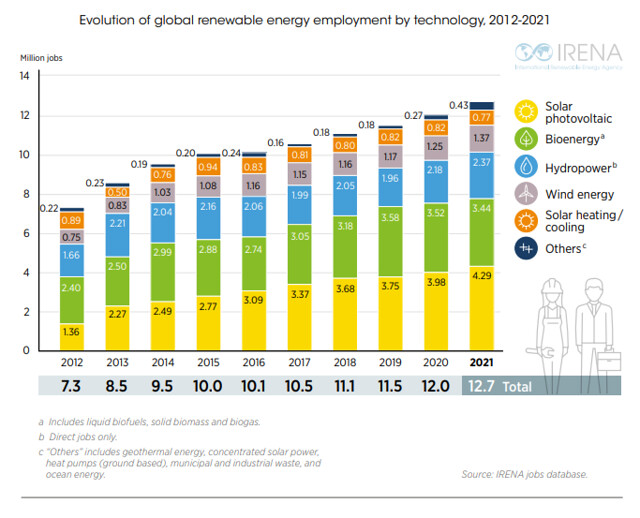
In addition to academic qualifications, certain skills are highly valued in the energy sector. These include technical proficiency, problem-solving abilities, project management skills, and a strong understanding of environmental regulations and sustainability principles.
Job Opportunities in Energy Sector
The energy sector offers a wide range of job opportunities across various disciplines, including engineering, project management, research and development, policy analysis, and environmental consulting. Whether you’re interested in designing solar panels, optimizing energy efficiency, or shaping energy policy, there’s a role for you in the industry.
Challenges in Energy Careers
Despite the numerous opportunities, energy careers come with their fair share of challenges. These include navigating regulatory complexities, addressing environmental concerns, managing supply chain disruptions, and adapting to technological advancements.
Advancements in Energy Technologies
The rapid pace of technological innovation is transforming the energy landscape, leading to advancements in renewable energy generation, energy storage, smart grid systems, and clean transportation. Professionals in the energy sector must stay abreast of these developments to remain competitive in their fields.
Sustainability in Energy Careers
Sustainability has become a core focus in energy careers, driving initiatives to reduce carbon emissions, increase energy efficiency, and promote renewable energy adoption. Companies are increasingly prioritizing sustainability goals, creating opportunities for professionals with expertise in green technologies and practices.
Read More: Professional Associations: Connecting, Advancing, and Thriving Together
Future Trends in Energy Careers
Looking ahead, the energy sector is poised for continued growth and evolution. Emerging trends such as decentralized energy systems, electrification of transportation, and energy storage innovations are reshaping the industry’s landscape, presenting new avenues for career advancement.
How to Prepare for a Career in Energy
For individuals aspiring to pursue a career in energy, there are several steps they can take to enhance their prospects:
Education
Pursue relevant academic qualifications in engineering, environmental science, or related fields.
Internships and Networking
Gain practical experience through internships and build professional connections within the industry.
Certifications
Obtain certifications in areas such as renewable energy technologies, project management, and environmental sustainability to demonstrate expertise to potential employers.
Salary Expectations in Energy Careers
Salaries in the energy sector vary depending on factors such as job role, experience, and location. Generally, professionals in technical roles such as engineering and project management command higher salaries compared to entry-level positions. With experience and expertise, individuals can expect competitive compensation packages.
Work-Life Balance in Energy Sector
While careers in the energy sector can be demanding, many companies offer flexible work arrangements and prioritize employee well-being. Balancing work responsibilities with personal life is essential for maintaining job satisfaction and overall productivity.
Diversity and Inclusion in Energy Careers
Efforts to promote diversity and inclusion are gaining traction in the energy industry, aiming to create a workforce that reflects the diversity of society. Encouraging participation from underrepresented groups and fostering an inclusive workplace culture is vital for driving innovation and addressing complex challenges in the sector.
Conclusion
In conclusion, energy careers play a pivotal role in shaping the future of energy production, distribution, and consumption. Whether it’s harnessing renewable resources, optimizing traditional energy sources, or advancing innovative technologies, professionals in the energy sector have the opportunity to make a meaningful impact on society and the environment.
Apart from this, if you are interested to know more about Choosing Commercial Roofing Contractors then visit our TECH category
FAQs
Emerging trends include decentralized energy systems, electrification of transportation, and energy storage innovations.
Most positions require a bachelor’s degree in engineering, environmental science, or a related field.
Gain practical experience through internships, build professional networks, and obtain relevant certifications.
Challenges include regulatory complexities, environmental concerns, and technological disruptions.
Salaries vary based on factors such as job role, experience, and location, but experienced professionals can expect competitive compensation.
